
We make boring business stories sparkle.
Registered Address in Singapore: Options, Rules and Costs for New Companies
A practical guide to registered address options, rules and trade-offs for new Singapore companies.

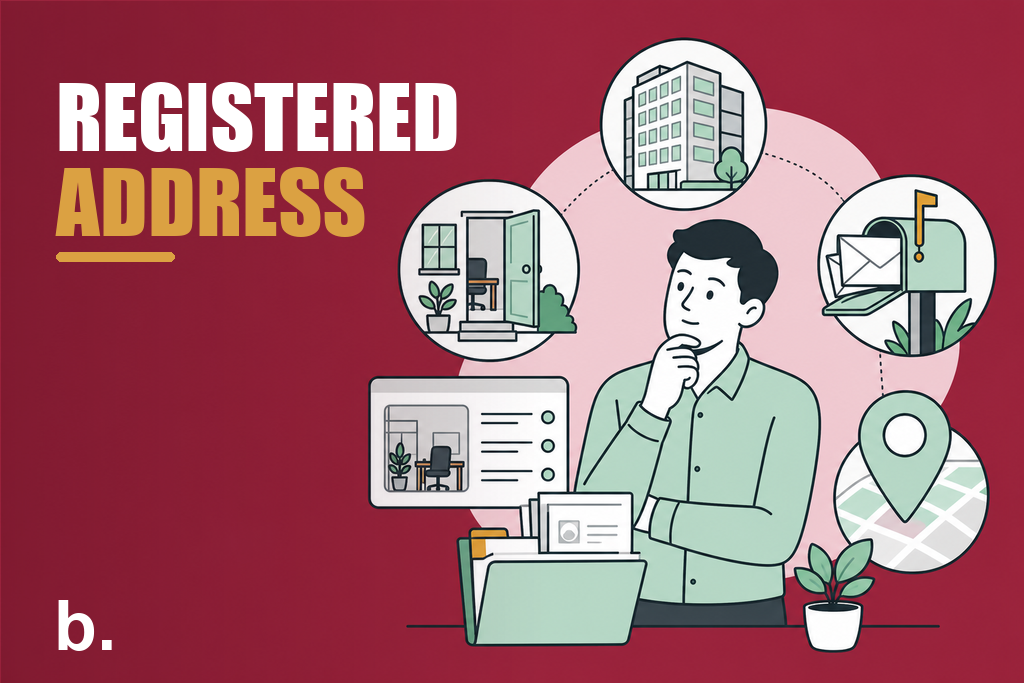
A registered address is not just a line on your incorporation form. It is the official address where ACRA and others can send communications and notices to your company, and where company records and registers must be kept.
For new founders, the decision usually comes down to three options: use a suitable home or office address, use a virtual office, or use an address provided by a corporate service provider. The right choice depends on privacy, mail handling, budget and how your business operates.
Registered address rules at a glance
ACRA’s company registration guide states that the registered office address must be a Singapore address and must be open and accessible to the public during normal business hours on each business day.
Option | Best for | Watch out for |
|---|---|---|
Own office | Businesses with a real office and admin presence | Rent and staffing cost |
Home address | Lean founders who are comfortable with address visibility | Privacy and home-office conditions |
Virtual office | Owners who want mail handling without full office rent | Service quality and response time |
Corporate service provider address | Founders using incorporation and secretary support | Package scope and renewal cost |
Coworking or serviced office | Teams needing workspace and address support | Check whether registered-office use is included |

Registered address is not always your operating address
ACRA notes that the registered office does not have to be the same place where the company runs its business activities. For example, the registered office can be in one part of Singapore while operations happen elsewhere.
This matters for founders who work remotely, operate from customer sites, store goods separately, or run a business where privacy is important.
How to choose an address option
Privacy
Think carefully before using a residential address. Public business records and official correspondence can make a home address a poor fit for some founders.
Mail handling
A cheap address is not useful if important letters are missed. Ask how mail is scanned, forwarded, collected and escalated.
Accessibility
The registered office must meet accessibility requirements. If nobody can receive notices or respond to official mail, the company may face avoidable risk.
Cost
Costs vary widely. Compare the real package: address use, mail handling, company secretary service, reminders, document storage and renewal terms.
Common mistakes
- Using an address nobody checks: missed notices can become bigger compliance problems.
- Confusing registered office with shop address: they can be different, but both should be managed properly.
- Forgetting privacy: founders may regret using a home address later.
- Not updating changes: company information should stay current when the address changes.
- Choosing only by price: slow mail handling can cost more than the savings.
Official references
Frequently Asked Questions
Must a Singapore company have a registered office address?
Yes. A local company must provide a registered office address during registration.
Can my registered address be different from my operating address?
Yes. ACRA states the registered office does not have to be the same place where business activities are carried out.
Can I use my home as a registered address?
It may be possible if the address meets requirements, but founders should consider privacy, mail handling and any home-office conditions.
What should I compare when choosing a virtual office?
Compare mail handling, response time, address use terms, renewal price, company secretary support and whether the provider understands ACRA requirements.
Explore More Content
Table of Content