We make boring business stories sparkle.
Invoice Payment Terms in Singapore: How SMEs Can Get Paid Faster
A practical guide to invoice payment terms for Singapore SMEs that want clearer billing, faster collection and fewer awkward chases.

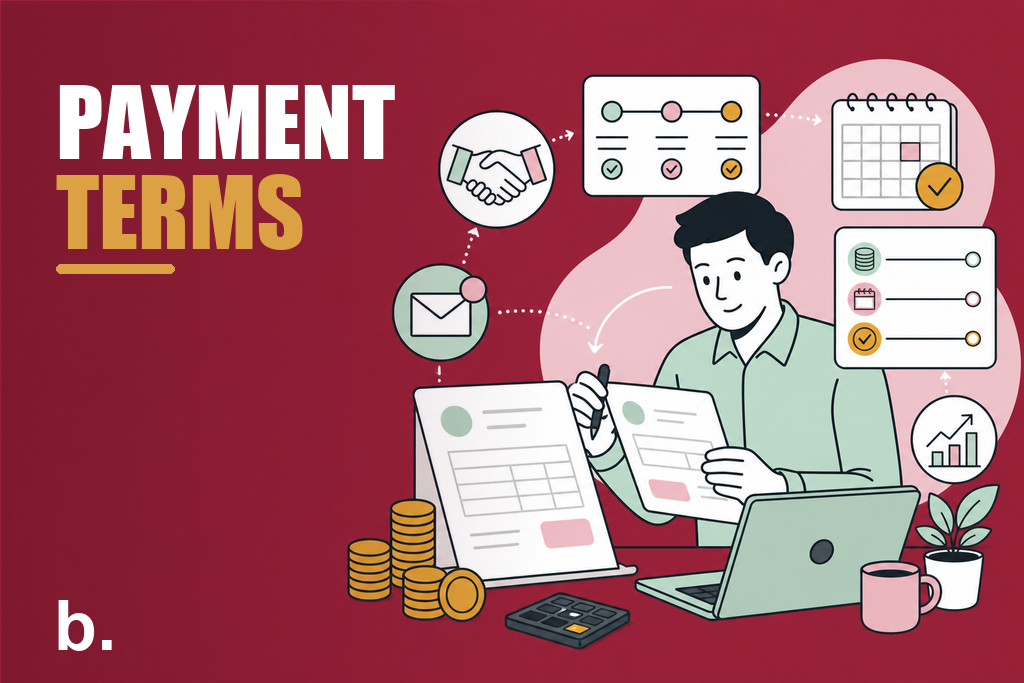
Late payment is one of the most common cash-flow problems for SMEs. The work is done, the invoice is sent, but the money arrives only after reminders, awkward messages and sometimes weeks of silence.
Better payment terms do not guarantee fast payment, but they reduce confusion. They tell the customer when payment is due, what happens before work starts, what is included, and how follow-up will be handled.
Common payment terms SMEs can use
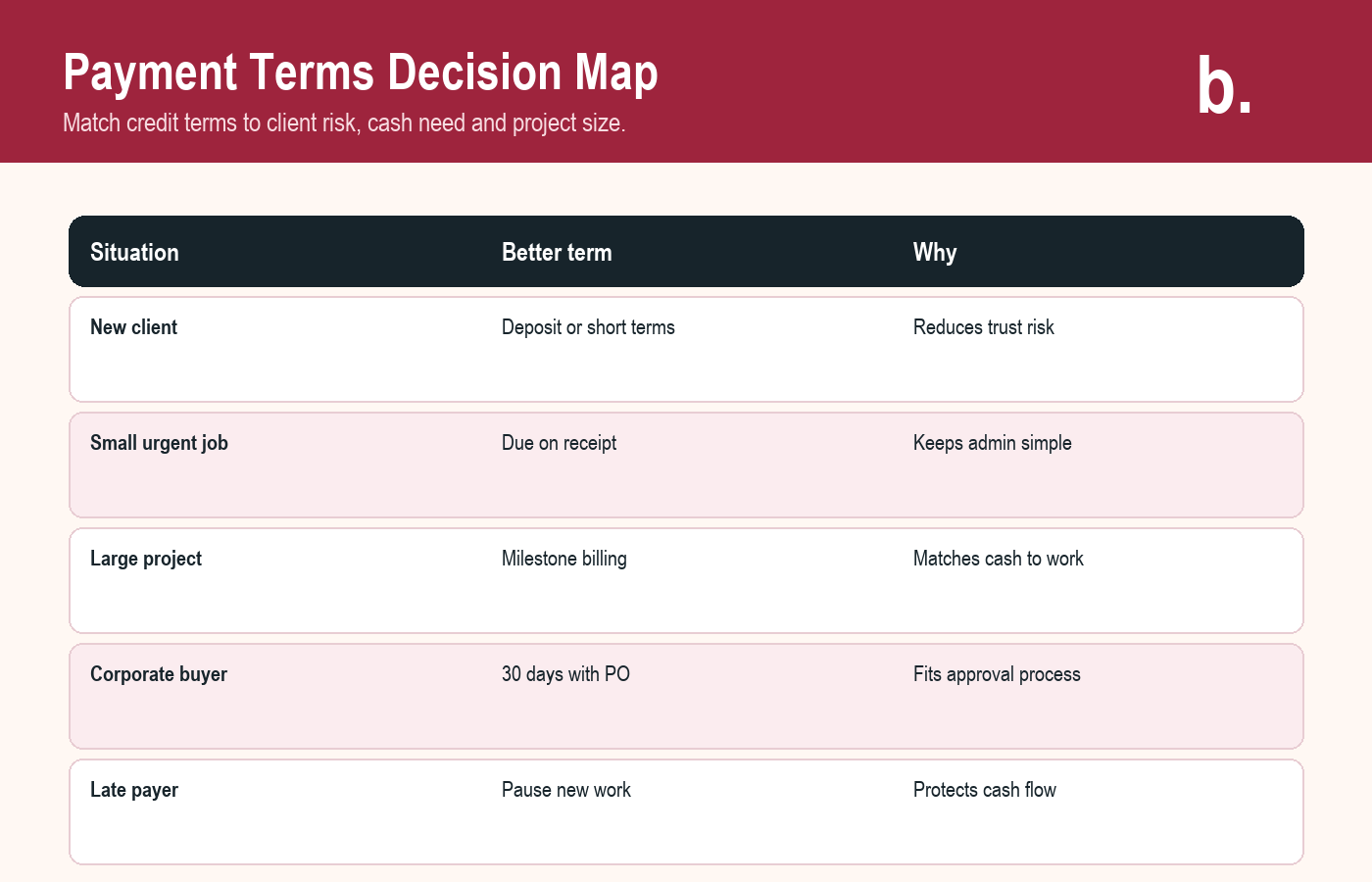
The right terms depend on trust, project size, delivery risk and how much cash you need before starting work.
Payment term | How it works | Best for | Watch out for |
|---|---|---|---|
Due on receipt | Customer pays when invoice is issued | Small jobs, urgent work, first-time clients | Some corporate buyers still need processing time |
7 or 14 days | Short credit period after invoice date | Service SMEs that need fast cash collection | Must be stated clearly before work starts |
30 days | Common business credit term | Established B2B relationships | Can hurt small suppliers if used by default |
Deposit upfront | Part paid before work starts | Projects with setup cost or cancellation risk | Define refund and cancellation rules |
Milestone billing | Payments tied to stages | Larger projects, design, consulting, development | Milestones must be clear and measurable |
What every invoice should make clear
An invoice should not force the customer to guess. Clear invoices are easier for the customer’s finance team to approve.
- Invoice date and due date.
- Customer name and billing contact.
- Description of goods or services.
- Amount, currency and GST treatment where relevant.
- Payment method and reference instructions.
- Purchase order, project code or contract reference if required.
- Late-payment or suspension terms if they were agreed earlier.
How to get paid faster without sounding aggressive
Set terms before work begins
Payment terms should appear in the quotation, proposal, contract or email approval, not only on the invoice after delivery.
Ask for the billing process
Before starting, ask who approves invoices, whether a purchase order is needed, and what details finance requires. This prevents avoidable rejection.
Use a reminder rhythm
Send a polite reminder before the due date, on the due date and after the due date. Keep the tone factual and consistent.
Common mistakes
- Starting work before terms are agreed.
- Using “30 days” by habit even when the business cannot afford it.
- Sending invoices with missing purchase order or contact details.
- Waiting too long to chase overdue invoices.
- Continuing new work for a client who has not paid old invoices.
Official and practical references
- IRAS: record keeping requirements
- Singapore Courts: filing a small claim
- SBO: cash flow management dashboard
The bottom line
Good payment terms are not about being difficult. They protect the business relationship by making expectations clear before money becomes awkward.
Frequently Asked Questions
What are common invoice payment terms in Singapore?
Common terms include due on receipt, 7 days, 14 days, 30 days, deposits and milestone billing. The right term depends on project size and customer relationship.
Should SMEs ask for a deposit?
A deposit is sensible when there is setup work, cancellation risk, custom production or meaningful upfront cost.
Can I charge late payment fees?
Only use late payment fees if they were clearly agreed in the contract, quotation or terms before the invoice became overdue.
How can I reduce late payment?
Agree terms early, send complete invoices, confirm the customer’s billing process, and follow up consistently before and after the due date.
Explore More Content
Table of Content